Beyond the Scoreboard: How Social Media and Rookie Rivalries Reveal Cleveland Browns’ Quarterback Crisis

Sarah Johnson
December 3, 2025
Brief
An incisive analysis of the Cleveland Browns' rookie quarterback controversy through the lens of social media tensions, fan dynamics, and what it reveals about the franchise's ongoing struggles.
Opening Analysis
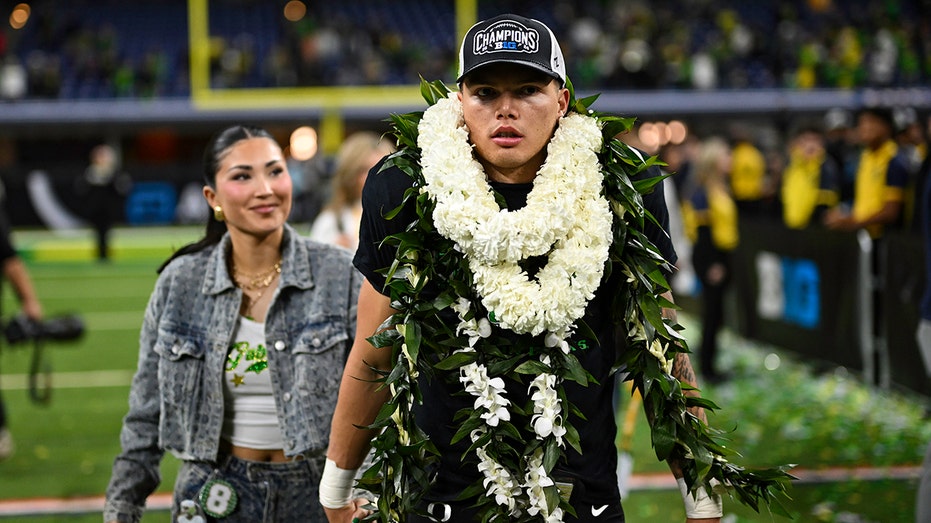
The ongoing quarterback saga within the Cleveland Browns organization has ignited yet another layer of fan controversy—not on the field, but in the social media sphere. Dillon Gabriel’s fiancée, Zo Caswell, came under fire after a brief TikTok jab at the struggling Browns following a loss. While seemingly a lighthearted comment, this episode exposes deeper fractures within the Browns’ fanbase and organizational narrative, spotlighting the precarious nature of rookie quarterback competitions in NFL franchises under intense pressure.
The Bigger Picture
The Cleveland Browns are a franchise that has experienced chronic instability at the quarterback position for decades. Since their return to the NFL in 1999, the Browns have cycled through no fewer than 30 starting quarterbacks, often plagued by injuries, inconsistent play, and coaching changes. This has contributed to a fan culture that oscillates between hopeful anticipation and deep cynicism.
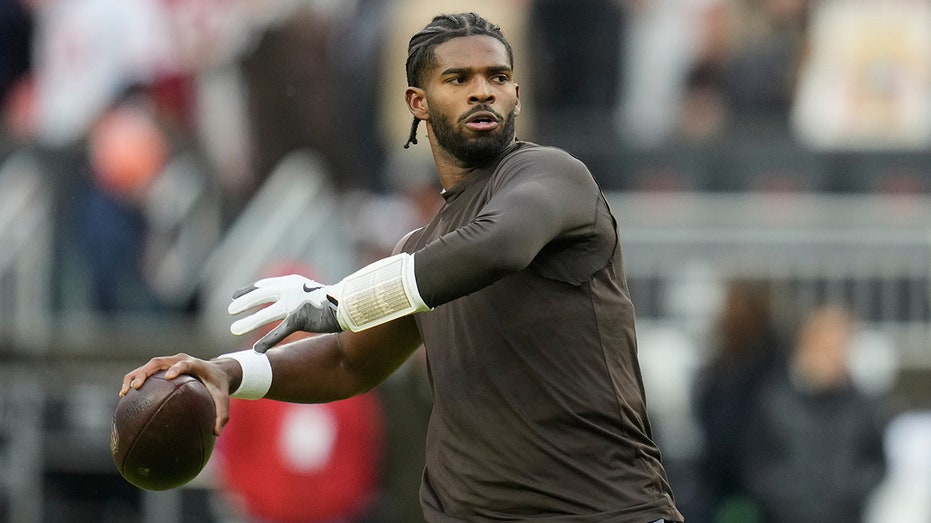
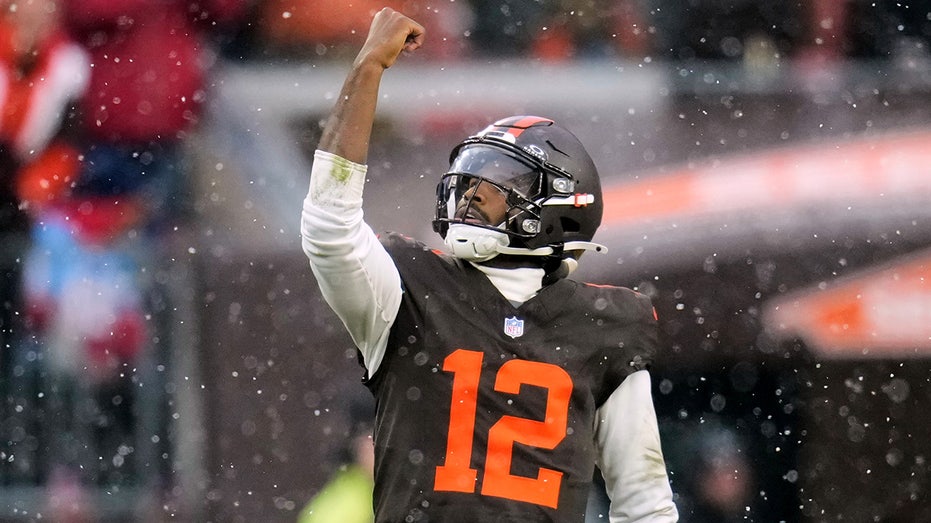
In this context, the 2025 NFL draft brought two rookie quarterbacks to Cleveland: Dillon Gabriel, selected in the third round, and Shedeur Sanders, a second-round pick and son of NFL legend Deion Sanders. Gabriel was initially named the starter but struggled to find a winning rhythm, going 1-5 with a sub-60% completion rate. Meanwhile, Sanders’ unexpected opportunity as starter after Gabriel's concussion protocol has reignited fervent debate about the franchise's quarterback future.
Historically, rookie quarterback competitions are hotbeds of media sensationalism and fan scrutiny, often exacerbated by personal dynamics and social media commentary. Caswell’s comment is emblematic of how off-field voices related to players can influence public perception and fan morale.
What This Really Means
Caswell’s TikTok post, though intended as humor, touches on deeper tensions. It highlights how NFL franchises are not just judged by on-field performance but also by the public personas and social media presence of players and those close to them. For the Browns, a team desperate for stability, any perceived internal division or negativity can fuel frustration among an already impatient fan base.
Furthermore, this incident underscores the delicate balance rookie quarterbacks must maintain—not just in their gameplay, but in managing public relations and external narratives. Gabriel’s earlier comments describing “entertainers and competitors,” initially interpreted as a slight toward Sanders, already injected controversy. Caswell’s remark adds another layer to that narrative, possibly influencing locker room cohesion and fan sentiment.
The Browns’ decision to stick with Sanders despite his first loss indicates management’s strategic pivot to evaluate long-term potential over short-term results. This also reflects a broader NFL trend where teams invest heavily in developing young signal-callers amid high-stakes media scrutiny.
Expert Perspectives
Dr. Michael Lombardi, former NFL executive and draft analyst, notes, "In quarterback battles, everything gets magnified—from comments by players to what their families say. It’s a test of mental resilience. The Browns are in a tough spot, balancing fan expectations and player development."
Jessica Kleimann, a sports psychologist specializing in athlete mental health, adds, "Social media creates a 24/7 pressure cooker. When a player’s close circle publicly comments, it can have real emotional ripple effects—either motivating or distracting the athlete."
Coach Mark Reynolds, longtime NFL quarterback coach, remarks, "Rookie QBs must learn quickly that managing relationships off the field is as critical as scheme mastery. The Browns’ situation is a perfect storm where performance, perception, and persona collide."
Data & Evidence
- Dillon Gabriel’s 2025 stats: 1-5 starting record, 937 passing yards, 7 touchdowns, 2 interceptions, 59.5% completion rate.
- Shedeur Sanders: First Browns rookie QB since 1999 to win his first career start, posting a 24-10 victory; 149 yards, 1 touchdown, 64% completion rate in his first start.
- Cleveland Browns have had more starting QBs in the last 5 years than most teams have in 10, underscoring instability.
- Fan sentiment analysis on Browns-related social media reveals spikes in negativity coinciding with quarterback controversies and losses, amplified by non-player comments.
Looking Ahead
As the Browns face the Tennessee Titans with Sanders at the helm, the team's leadership is poised at a critical juncture. Will they commit long-term to Sanders as their franchise quarterback or continue using wins and losses as the sole evaluative metric? The social media dynamics around the team, including comments from family and fiancées, will continue to affect public narrative and possibly internal team chemistry.
Fans, once galvanized around the promise of both young QBs, are now divided, potentially complicating support. The Browns must navigate not just on-field tactics, but also off-field communications strategy—balancing transparency, player relations, and fan engagement.
Media scrutiny will remain intense, and the Browns’ handling of this quarterback competition could set procedural and cultural precedents—either reinforcing stability or perpetuating cycles of doubt.
The Bottom Line
The TikTok comment by Zo Caswell is more than a throwaway remark; it is a prism refracting the complex realities of the Browns’ quarterback turmoil. It speaks to the heightened pressures around rookie quarterbacks today—where social media, family involvement, and fan expectations intersect in ways that can shape careers and franchises. Understanding this layered context is crucial for anyone trying to grasp the Browns’ ongoing search for a leader under center, and what it means for the team’s future prospects.
Topics
Editor's Comments
This episode involving Zo Caswell’s TikTok comment is a microcosm of modern NFL culture where off-field narratives sometimes influence a player’s trajectory as much as performance. It also raises important questions about how franchises manage not just athletes, but their broader social ecosystems—including family and media narratives. The Browns are not just wrestling with quarterback choices but with delicate optics on loyalty, support, and public relations. As fans, we often overlook these elements while focusing purely on stats and outcomes. This social media flare-up thus serves as a reminder that pro sports now unfold in a multifaceted public arena, where even a joke can become a flashpoint in an ongoing saga.
Like this article? Share it with your friends!
If you find this article interesting, feel free to share it with your friends!
Thank you for your support! Sharing is the greatest encouragement for us.