Beyond the Headlines: Analyzing Steve McBee’s Federal Fraud Case and Its Broader Implications

Sarah Johnson
December 3, 2025
Brief
An in-depth analysis of reality star Steve McBee’s federal crop insurance fraud case reveals prosecutorial tactics, media influence, and the impact on family-run agribusinesses amid rising enforcement scrutiny.
Opening Analysis
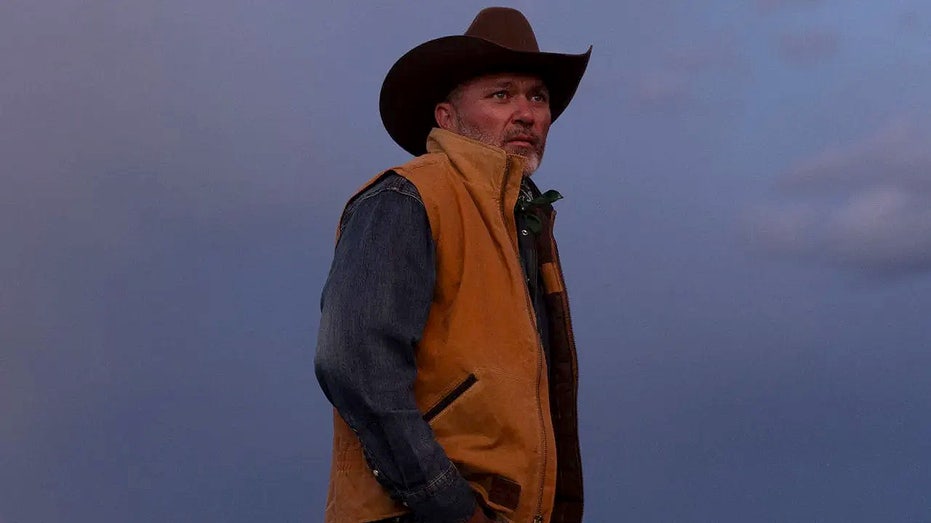
The recent revelation by reality TV star Steve McBee Sr. accusing federal prosecutors of threatening to indict his entire family to secure a plea deal in a multimillion-dollar crop insurance fraud case highlights a rarely examined aspect of federal prosecution: the use of aggressive charging tactics to compel cooperation. This story is not simply about one man’s legal battle, but about the broader dynamics of prosecutorial leverage in complex white-collar cases, the intersection of media celebrity and criminal justice, and the implications for families caught in the legal crossfire. This analysis digs beneath the headlines to explore why McBee’s account matters, examining historical prosecutorial strategies, the evolving role of public figures in legal narratives, and what this means for the future of fraud enforcement in the agriculture and insurance sectors.
The Bigger Picture
The use of powerful prosecutorial leverage to enforce plea deals has deep roots in American criminal justice. Over the past several decades, federal prosecutors have increasingly relied on the threat of stacking charges against multiple individuals—even family members or colleagues—to incentivize guilty pleas, a practice sometimes referred to as “charge bargaining.” This approach became especially prevalent as white-collar crime investigations grew in complexity during the 1980s and 1990s, when assembling cases often required cooperation from insiders to untangle intricate financial webs.
Crop insurance fraud, the specific charge here, is part of a broader pattern of agriculture-related white-collar crime prosecuted vigorously since the early 2000s. The USDA’s Risk Management Agency (RMA) has ramped up enforcement as crop insurance has grown to become a critical multi-billion-dollar safety net for American farmers, especially amid fluctuating market prices and climate challenges. The federal government views fraud in this space not just as financial deceit but as a threat to rural economies and food security.
McBee’s case also adds a new layer by involving a public figure from the burgeoning genre of reality television documenting rural American life. Reality stars often cultivate a public persona rooted in family and entrepreneurship, which creates a complicated dynamic when legal troubles arise. From the O.J. Simpson trial to more recent cases involving celebrity defendants, public scrutiny can amplify legal pressures and influence prosecutorial approaches.
What This Really Means
McBee’s claims about the government threatening to indict his entire family reflect broader concerns about prosecutorial discretion and potential overreach. The tactic of threatening multiple indictments to force a plea has been criticized for effectively coercing defendants, raising questions about fairness and due process. While such practices can expedite justice and conserve resources, they risk punishing those only tangentially involved or innocent, undermining trust in the legal system.
Moreover, McBee’s experience underscores how the intersection of media visibility and legal proceedings can intensify pressure on defendants. Federal agents reportedly monitoring his family’s reality show and social media accounts demonstrate how personal and public spheres are increasingly entwined in investigations. This raises issues about privacy and the use of public personas as investigatory tools.
Financially, the $4 million-plus restitution and a two-year prison term signal the serious consequences of crime deemed to damage federal agricultural programs. However, McBee’s assertion that he “took the fall” to protect family and colleagues suggests a powerful personal motive intertwined with legal strategy—choosing accountability to shield others, a pattern seen often in cases involving family-run businesses with complex corporate structures like McBee’s 59 LLCs.
The case also illustrates the challenges facing rural entrepreneurs navigating regulatory frameworks and federal scrutiny. With crop insurance fraud prosecutions increasing, there may be growing tension between protecting government programs and overburdening family businesses with compliance risks and potential legal pitfalls.
Expert Perspectives
- Professor Michael Levi, a leading criminologist specializing in white-collar crime, notes: "The use of multiple indictments as leverage is common but controversial—it can be an effective tool for prosecutors but also risks miscarriages of justice, especially when family members are threatened to pressure defendants."
- Lisa Robinson, a former federal prosecutor with experience in fraud cases, explains: "In complex fraud investigations, prosecutors rely on plea deals because trials are costly and uncertain. Warning defendants about possible charges to their associates is a common negotiation strategy, though it walks a fine line ethically."
- Dr. Karen Weiner, a sociologist who studies media and law, adds: "When defendants are public figures, the lines between legal strategy and public image blur. Prosecutors may leverage this visibility, while defendants try to use it to shape public sympathy or narrative control."
Data & Evidence
Federal crop insurance fraud prosecutions have steadily increased. According to USDA data, enforcement actions rose approximately 25% between 2015 and 2023, with over $100 million recovered in restitution nationwide in recent years. Yet, conviction rates in these cases often rely heavily on plea agreements—upwards of 90%—reflecting the prosecutorial leverage described by McBee.
The broader use of “charge stacking” in white-collar cases has been documented by criminal justice research, with some studies estimating defendants face an average of 3 to 5 potential counts before final resolution. This contributes to high plea acceptance rates but fuels critiques about coercion.
Looking Ahead
The McBee case may signal increasing scrutiny on the intersection of federal fraud enforcement and family-run agribusinesses, especially those with complex corporate structures. Regulators and lawmakers could face pressure to clarify guidelines around prosecution tactics and ensure protections against overreach.
Additionally, as the public becomes more attuned to the use of media oversight as part of investigations, legal frameworks around privacy and digital surveillance might evolve. The role of reality TV and social media could become a new front in how legal narratives are shaped and contested.
Finally, McBee’s invocation of a possible presidential pardon points to the growing political dimension of white-collar cases involving prominent figures, raising questions about justice, accountability, and influence that transcend simple legal analysis.
The Bottom Line
Steve McBee’s case epitomizes the complex interplay between prosecutorial power, family loyalty, media visibility, and the legal risks embedded in America’s agricultural sector. His allegations of aggressive tactics illuminate ongoing debates about fairness and due process in federal white-collar prosecutions. Meanwhile, the story underscores the evolving challenges that public figures face within the criminal justice system and the need for vigilance to maintain balance between effective enforcement and protecting defendants' rights.
Topics
Editor's Comments
This case raises critical questions about the boundaries of prosecutorial power in white-collar crime and its human cost, especially within tight-knit family businesses. McBee’s narrative reveals the tension between legal strategy and personal loyalty, a dynamic often obscured in headline coverage. It also spotlights how media exposure adds complexity to criminal proceedings in an age where public image is inseparable from legal fate. Moving forward, observers should watch for calls to reform plea bargaining practices and to better protect defendants from what some consider coercive tactics, particularly when family members risk collateral damage. The story is a potent reminder that behind every high-profile prosecution lies a web of social, economic, and ethical challenges that merit deeper examination.
Like this article? Share it with your friends!
If you find this article interesting, feel free to share it with your friends!
Thank you for your support! Sharing is the greatest encouragement for us.