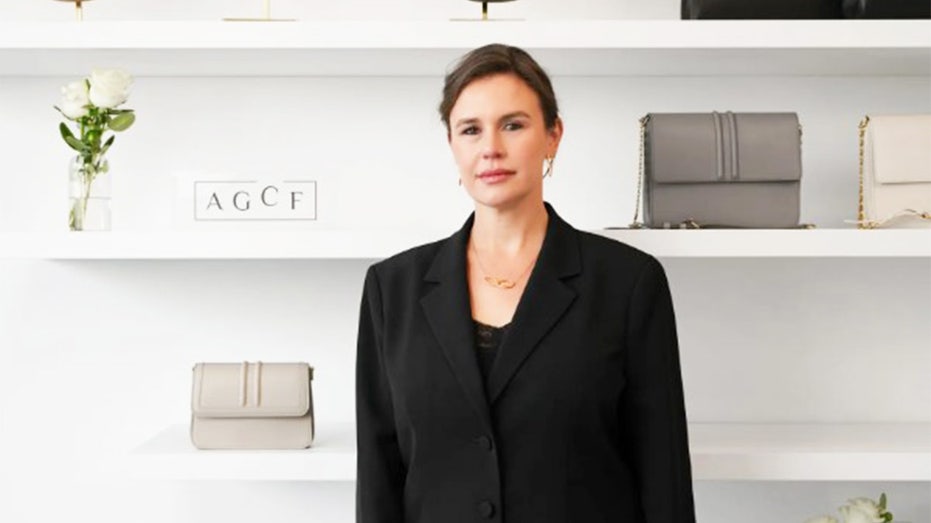
Beyond Luxury: How Alexandra Gucci Zarini’s 'UNITY' Handbag Advances Foster Youth Advocacy

Sarah Johnson
December 5, 2025
Brief
Alexandra Gucci Zarini's 'UNITY' handbag launch uniquely blends luxury fashion with philanthropy, supporting Melania Trump's foster care initiative and signaling a shift toward purpose-driven consumerism.
Why the 'UNITY' Handbag Launch Signals a New Era of Purpose-Driven Luxury
The recent unveiling of the "UNITY" handbag by Alexandra Gucci Zarini, heiress of the Gucci lineage and founder of AGCF, marks a notable intersection of luxury fashion and social advocacy. This initiative, in direct support of Melania Trump’s "Fostering the Future" program, exemplifies a broader cultural shift within the luxury sector towards aligning high-end consumer goods with meaningful philanthropy. Beyond mere brand positioning, this collaboration illuminates evolving dynamics in how wealth, legacy, and social responsibility can coalesce to address systemic vulnerabilities—in this case, the often-overlooked foster care community.
The Bigger Picture: Historical Roots of Legacy and Philanthropy
The Gucci family name has been historically synonymous with luxury and exclusivity, yet Alexandra Gucci Zarini’s approach diverges by embedding an explicit mission to protect and empower children through her brand AGCF. Established in 2020, AGCF intertwines ethical craftsmanship with social purpose, reflecting a 21st-century paradigm where luxury brands increasingly recognize the necessity of corporate social responsibility. Her foundation’s origins—rooted in personal trauma and a hard-fought civil lawsuit against childhood abuse—underscore a growing trend among heirs to legacy brands who leverage privilege toward advocacy uniquely informed by lived experience.
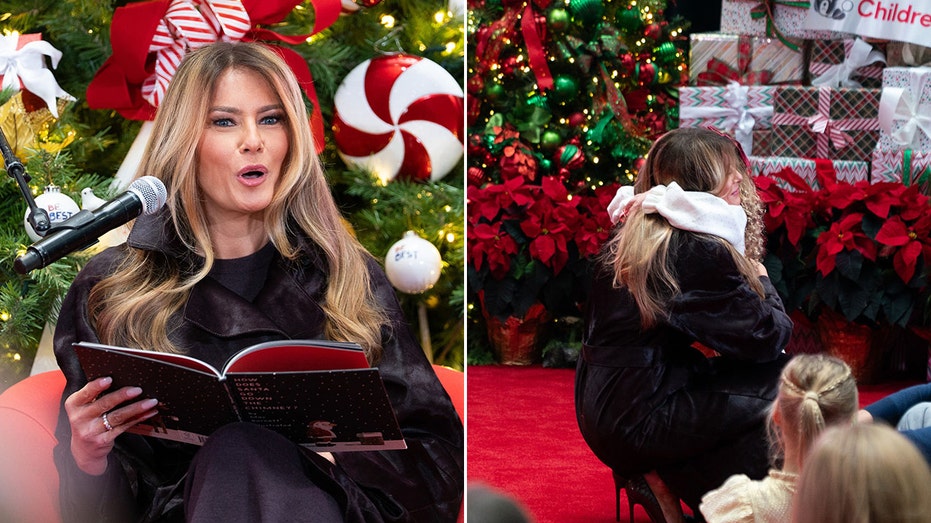
Furthermore, the context of this release coincides with recent political initiatives, namely the ‘‘Fostering the Future’’ executive order signed by President Donald Trump and the First Lady, which seeks to improve educational and employment outcomes for foster youth. The melding of private sector action with political endorsement situates the handbag launch within a larger ecosystem of efforts aimed at systemic reform for vulnerable populations.
What This Really Means: The Luxury Sector as a Platform for Social Change
Fashion has long flirted with philanthropy, but the "UNITY" bag exemplifies a deepening commitment where luxury goods serve as vehicles of empowerment rather than mere status symbols. By donating 20% of proceeds and ensuring the product itself carries symbolic markers of authenticity and unity, AGCF elevates consumer participation in social causes. This transactional philanthropy model resonates notably with millennials and Gen Z consumers who demand that their purchases align with their values.
The involvement of Melania Trump’s initiative also brings complexity. While "Fostering the Future" offers tangible benefits to foster youth through scholarships and global coalition-building, its association with a politically polarizing figure invites scrutiny. Yet, this partnership may present an opportunity to depoliticize critical social welfare issues like foster care reform and unite diverse stakeholders around a common cause.
Expert Perspectives
Dr. Emily Rosenberg, Child Welfare Policy Analyst: "This collaboration is significant because it signals how private luxury brands can complement governmental efforts in child welfare. The challenge remains ensuring sustained impact beyond symbolic gestures, but aligning consumer power with social missions is a positive, necessary evolution."
Michael Torres, Cultural Sociologist specializing in Fashion and Ethics: "The luxury industry historically thrived on exclusivity. What designers like Zarini are doing flips the script by embedding inclusivity and advocacy at their core, transforming the meaning of prestige in the process."
Angela Kim, Nonprofit Strategist: "Supporting foster youth requires multi-sectoral cooperation. Initiatives like AGCF’s can amplify resources and visibility, but it’s crucial they are integrated into long-term support frameworks rather than one-off charity campaigns."
Data & Evidence: The Urgency Behind Foster Youth Advocacy
According to the National Foster Youth Institute, approximately 423,000 children were in foster care in the United States in 2024. Studies indicate that only around 50% of foster youth graduate from high school, and fewer than 3% complete college. Without targeted interventions, they face disproportionate risks of homelessness, unemployment, and incarceration. The "Fostering the Future" program’s focus on educational scholarships and employment pathways tackles these systemic gaps, drawing critical attention to an underserved population.
Moreover, market research reveals that 73% of luxury consumers in the U.S. now prioritize brands demonstrating authentic social commitments, suggesting Zarini’s model aligns well with evolving consumer values.
Looking Ahead: Potential Ripple Effects and Watchpoints
The "UNITY" handbag launch may catalyze several important trends. First, it could inspire other luxury houses, especially those with historic family legacies, to embed social missions in their brand DNA. Second, it may deepen consumer expectations that luxury products come with measurable social impact credentials, potentially reshaping purchasing patterns.
However, sustained impact depends on transparency regarding fund allocation and effectiveness of supported programs. Close collaboration between AGCF, public initiatives, and independent watchdogs will be critical.
Finally, the intersection of elite philanthropy and politically sensitive causes like foster care reform poses reputational challenges. Maintaining a clear focus on child welfare, while navigating partisan landscapes, will require careful stewardship.
The Bottom Line
Alexandra Gucci Zarini’s "UNITY" handbag launch represents more than a new luxury item; it signals a maturing of the fashion industry’s role in social advocacy, intertwining legacy, personal experience, and purposeful commerce. By partnering with Melania Trump’s "Fostering the Future" initiative, the effort spotlights foster youth needs while challenging perceptions of luxury as purely decorative. If executed with transparency and sustained commitment, this initiative could become a noteworthy model for how wealth and influence foster meaningful change in vulnerable communities.
Topics
Editor's Comments
Alexandra Gucci Zarini’s approach exemplifies a nuanced evolution in luxury philanthropy—where legacy and personal experience converge to inform authentic social action. What’s particularly compelling is how she merges the exclusivity of high fashion with inclusivity in advocacy, challenging conventional ideas of status. This initiative also invites reflection on the role elite privilege plays in social reform: can such partnerships transcend performative charity and produce systemic change? The association with a politically charged figure like Melania Trump adds complexity, potentially creating bridges across ideological divides or sowing skepticism. As luxury consumers continue seeking meaningful engagement, scrutiny will intensify on how brands translate goodwill into lasting impact. Observing how AGCF and the 'Fostering the Future' initiative navigate this path will provide valuable insights into the future of purpose-driven branding.
Like this article? Share it with your friends!
If you find this article interesting, feel free to share it with your friends!
Thank you for your support! Sharing is the greatest encouragement for us.