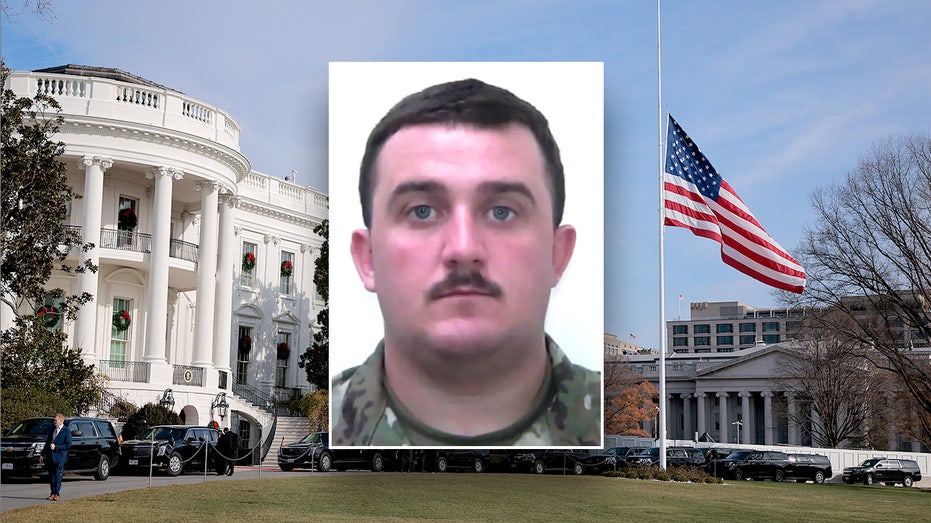
Beyond the Headlines: What Andrew Wolfe’s Recovery Reveals About Security, Healthcare, and Policy

Sarah Johnson
December 6, 2025
Brief
Analysis of National Guardsman Andrew Wolfe’s recovery reveals deep insights into domestic security challenges, veteran healthcare needs, and the complex ties between immigration policy and public safety.
Why Andrew Wolfe’s Recovery Resonates Beyond Personal Triumph
The story of National Guardsman Andrew Wolfe’s gradual recovery after being shot in Washington, D.C. is not just an individual narrative of resilience; it highlights broader themes involving domestic security, veterans’ health care, and the political discourse surrounding immigration and public safety. As Wolfe begins to "look more like himself" in the acute care setting, his journey embodies the intersection of human endurance with systemic challenges in national security and health systems.
The Bigger Picture: National Guardsmen in a Changing Security Landscape
The role of National Guard members has evolved significantly over the past two decades, increasingly blurring lines between military service and domestic policing. Since post-9/11 operations and more recently during civil unrest and the pandemic, Guardsmen like Wolfe often serve on the frontlines within U.S. communities, exposing them to risks previously associated mainly with deployed soldiers abroad.
Wolfe’s shooting comes amid renewed political debates over vetting of immigrants and refugees, especially from conflict regions such as Afghanistan. The suspected shooter’s background as an Afghan evacuee has reignited discussions about security clearances, integration policies, and the complexities of balancing humanitarian commitments with public safety imperatives. This is occurring as lawmakers propose vetting overhauls, reflecting tensions between national security priorities and immigration frameworks.
What This Really Means: The Human Cost Behind Political Rhetoric
Wolfe’s recovery highlights the tangible human costs behind abstract policy debates. Advocates stress that individual stories like Wolfe’s must guide reforms in both medical care for wounded service members and national security protocols. The fact that Wolfe remains in acute care months after the shooting underscores ongoing challenges in supporting injured veterans, including access to specialized rehabilitation and mental health services amidst an often fragmented health care system.
Moreover, the shooting incident punctuates the need to reassess how domestic security threats are anticipated and addressed. Unlike traditional battlefield injuries, the harm inflicted upon Guardsmen operating on U.S. soil involves complex social and legal dynamics, including the role of immigration status and federal criminal proceedings in managing such cases.
Expert Perspectives
Dr. Helen Rogers, a neurologist specializing in brain injury rehabilitation, notes, "Wounded service members like Andrew face long and uncertain recovery paths. Coordination of acute and long-term care is critical to preserving not just physical health but cognitive and emotional well-being."
Major General Thomas Edwards (Ret.), a former National Guard commander, reflects, "Andrew’s injury tragically illustrates that our Guardsmen are operating in environments as dangerous as overseas deployments. Policymakers must provide resources that reflect the realities on the ground, including comprehensive protections and medical support."
Dr. Farah Ahmed, an expert on immigration and national security policy, explains, "The shooting and subsequent charges against the Afghan national complicate narratives about refugees and security. It demands nuanced policies that ensure thorough vetting without demonizing entire communities, balancing humanitarian obligations with law enforcement."
Data & Evidence
- Between 2010 and 2020, National Guard deployments for domestic missions increased by approximately 30%, reflecting expanded roles in homeland security and civil operations.
- Traumatic brain injury (TBI) is among the most common and challenging wounds for military personnel; studies show over 20% of veterans report sustained brain injuries requiring long-term rehabilitation.
- Immigration vetting processes, particularly re-screening of refugees from conflict zones, have been tightened since 2017, but gaps remain in cross-agency communication and tracking.
Looking Ahead: Policy and Social Implications
Wolfe’s case may accelerate legislative momentum for improving veteran health care infrastructure, specifically in ensuring timely access to acute and rehabilitative care. It also pressures lawmakers to consider the efficacy and human impact of immigration vetting reforms, amid political polarization around national security.
On the societal level, Andrew Wolfe’s story reminds the public of the sacrifices made by Guardsmen who increasingly serve on domestic soil — often unseen — and the need for comprehensive support networks post-injury. Community vigils and public prayers reflect a collective desire to lift up resilience, but systemic interventions are necessary to transform such individual outcomes into broader policy progress.
The Bottom Line
Andrew Wolfe’s gradual recovery symbolizes both hope and urgent challenges. It sheds light on the expanding demands placed on National Guard members, the complex intersection of domestic security and immigration policy, and the critical importance of advancing rehabilitative care pathways for injured service members. His story is a clarion call for nuanced policy action informed by human experience and evidence.
Topics
Editor's Comments
Andrew Wolfe’s recovery transcends immediate medical updates and enters the realm of public policy and societal values. It challenges us to rethink how we support service members domestically exposed to violence—a shift from foreign battlefields to local streets. Importantly, this event reveals fault lines in immigration screening protocols amid complex humanitarian commitments. Policymakers must balance security needs without compromising the dignity of refugees who have endured trauma. The public response, including vigils and prayers, underscores a collective empathy, yet systemic reforms are key to ensuring that such tragedies are less frequent and that recovery paths for injured Guardsmen are robust and accessible. In the polarized climate surrounding immigration and security, this story invites a nuanced, evidence-based dialogue emphasizing both compassion and vigilance.
Like this article? Share it with your friends!
If you find this article interesting, feel free to share it with your friends!
Thank you for your support! Sharing is the greatest encouragement for us.